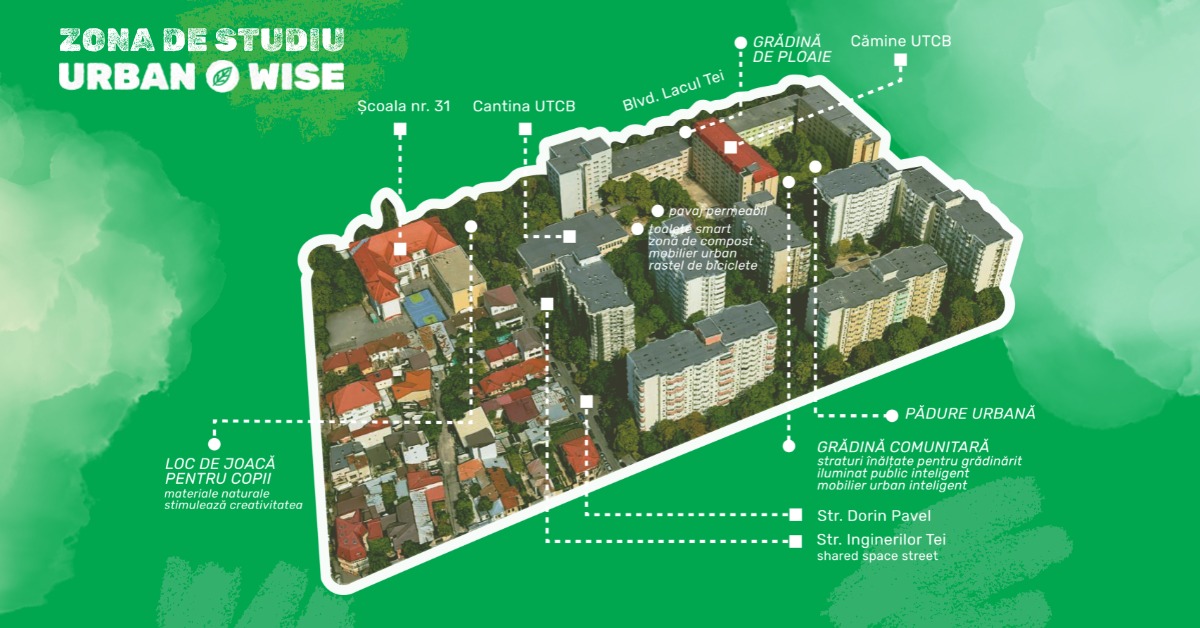
UrbanWise Fest marked the conclusion of the UrbanWise project with an open event at the Tei campus, bringing the community, specialists and local initiatives together in an accessible, practical format. Designed as a day of exploration, dialogue and experimentation, the festival showed how solutions for a more sustainable city can be understood and tested on a small scale.
The event was organised around three main strands: ACT, EXPLORE and TALK. Each offered a different way to engage with themes relating to decarbonisation and the quality of urban life.
ACT included practical activities and workshops where participants could experience first-hand how some of the solutions discussed in the project work. From workshops on climate change and composting to interactive activities and urban games, the format was designed to make information easy to understand and put into practice.
In the EXPLORE area, visitors could discover local initiatives, products and projects offering more sustainable alternatives for everyday life. The stands brought together local producers, reuse projects, urban mobility and community initiatives, providing a tangible picture of how change can begin with individuals and local communities.
TALK was dedicated to discussion and the exchange of ideas between public administration, experts and civil society. The conference and roundtables held during the festival addressed topics such as urban decarbonisation, public policy and the role of local production in reducing emissions, providing a setting for reflection and dialogue.
Alongside these three strands, the festival included a range of open activities, such as a plant swap, composting demonstrations and spaces for informal discussion. These helped create a relaxed atmosphere in which participants could engage directly with the initiatives and the people behind them.
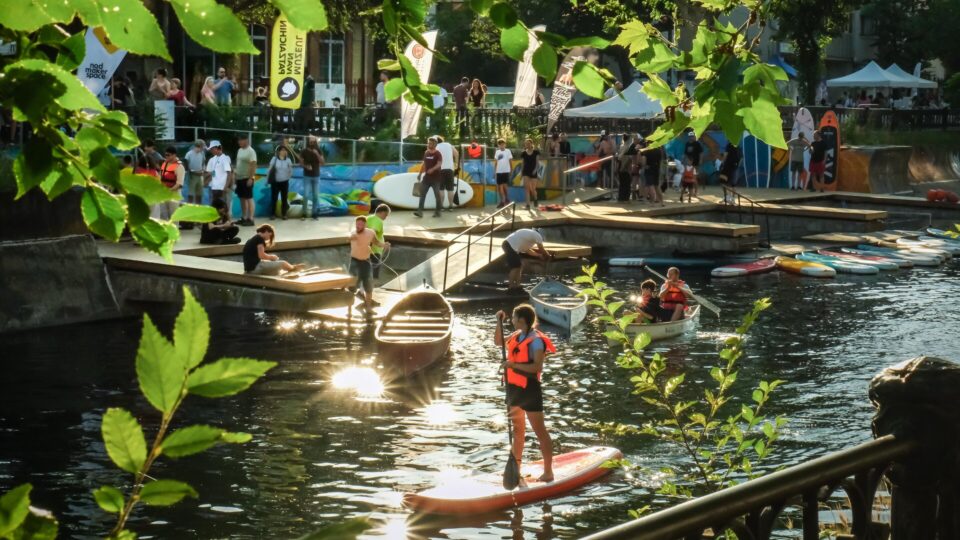
An important aspect of the event was its ability to bring together a diverse audience, from local residents and students to professionals and institutional representatives. The open format and outdoor activities made it easier for people to take part, including those who are not usually involved in such processes.
UrbanWise Fest served as a meeting point between ideas and practice, and between strategy and direct experience. The event showed that the transition to a more sustainable city is not an abstract process, but one that can be understood and explored through tangible examples at neighbourhood level.