What if vegetables considered “imperfect” became delicious dishes? Or if vegetable scraps from the kitchen became food for the soil instead of ending up in landfill? These questions underpin the two workshops taking place on 20 June as part of the New Urban Habits festival: “From Food Waste to Taste” and “From Waste to Soil”.
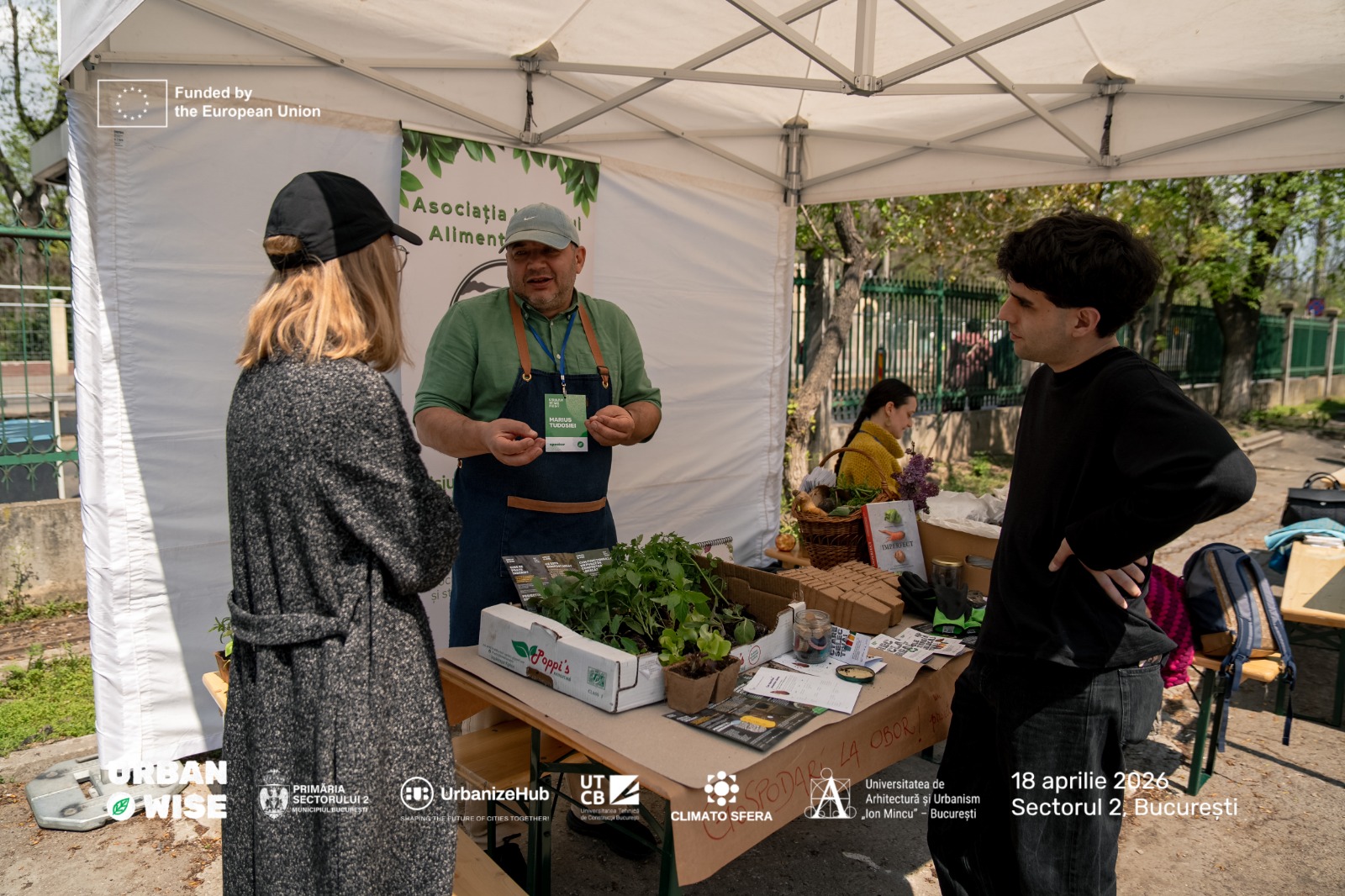
An image from a workshop on food and food waste.
Facilitated by members of ClimatoSfera, the two experiences invite participants to discover, through practical and accessible examples, how food waste and organic waste can become valuable resources for communities and cities.
In the city, food reaches the shelves and our plates perfectly packaged and standardised. Vegetables that are too small, too large, crooked or slightly bruised are often overlooked, even though they are perfectly edible. The “From Food Waste to Taste” workshop offers a shift in perspective. Participants will discover how ingredients often considered unattractive or worthless can become the basis of tasty, creative dishes.
More than a cooking workshop, the experience opens a conversation about the value of food, local producers and the role each of us can play in reducing food waste. “Food waste is reduced not only through rules or guilt, but also through taste, creativity and simple actions. Imperfect vegetables become the starting point for a discussion about what we can actually do before food ends up in the bin,” says Roxana Triboi, the workshop facilitator.
The second workshop, “From Waste to Soil”, begins with a simple question: are vegetable scraps from the kitchen really rubbish? Participants will discover that much of what we throw away every day can become compost, one of the most valuable resources for healthy soil.
By combining food preparation scraps with materials such as sawdust and understanding the natural processes of decomposition, participants will see how two types of “waste” can be transformed into a clean, renewable local resource.
Urban composting shows that solutions for reducing waste do not require complex technology, additional resource consumption or major investment. Nature does most of the work, and the result is rich compost that can support biodiversity and urban green spaces.
What would a city that does not waste look like?
If these practices became habits, cities would work differently. Less food would end up in the bin, and local producers would receive better support. Markets, restaurants, schools, canteens and households would find it easier to make use of surplus food.
At the same time, widespread composting would reduce the amount of waste sent to landfill and help create healthier green spaces and more fertile soils.
A practical workshop on making use of surplus food.
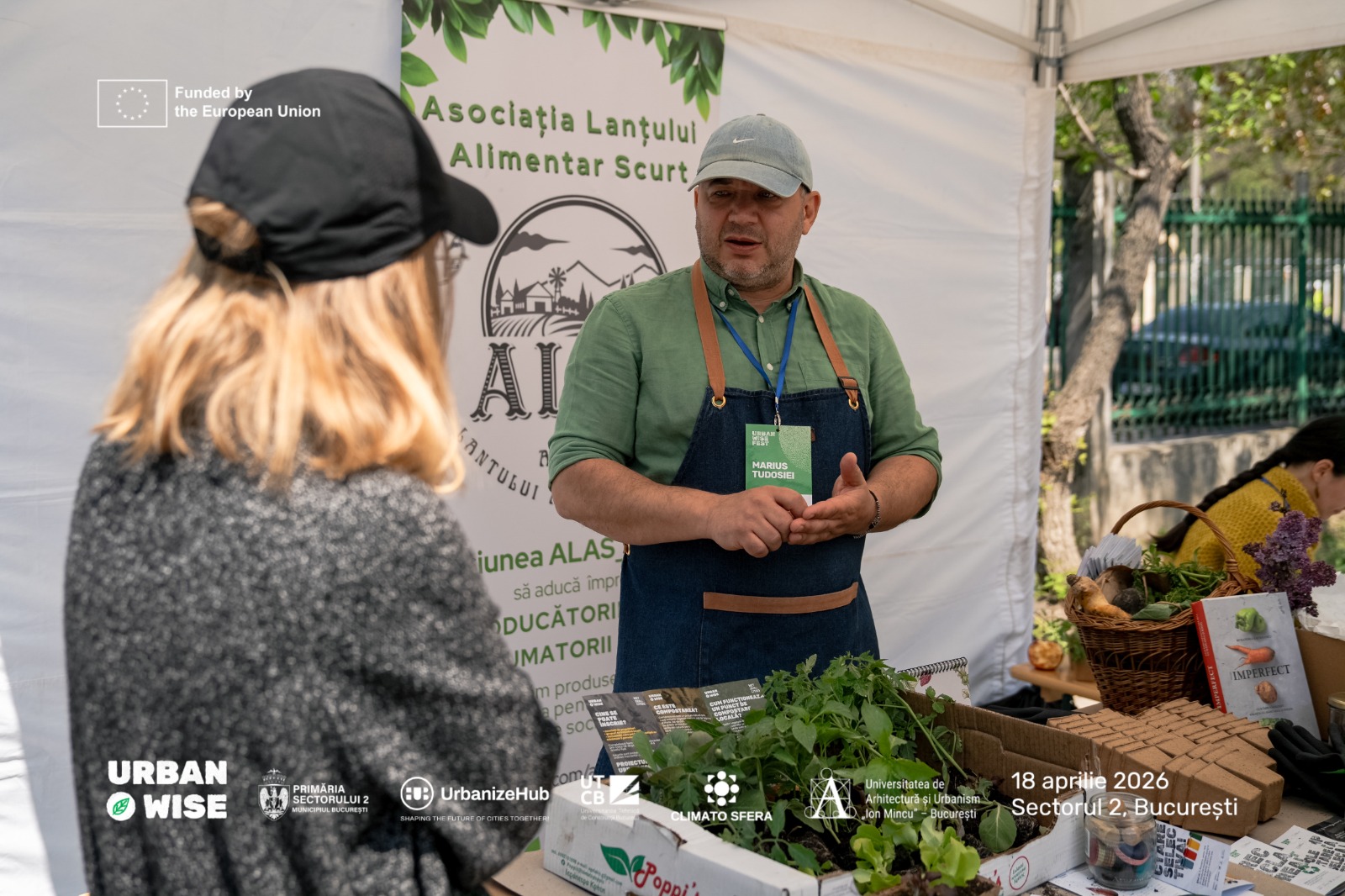
About the facilitators
The “From Food Waste to Taste” workshop is facilitated by Roxana Triboi and Marius Tudosiei. Roxana Triboi is an urban food policy expert and the initiator of the Bucharest Food Conversations series, a forum for dialogue about food, local producers and the transformation of urban food systems. Marius Tudosiei is a chef, founder of Băcănia Veche and president of ALAS, Asociația Lanțului Alimentar Scurt. Over the years, he has championed seasonal food, local producers and direct relationships between those who produce food and those who eat it.
The “From Waste to Soil” workshop is facilitated by Roxana Sușcă, an advocate for urban gardening and biodiversity and a composting trainer at Academia de Compost, the collaborative initiative that laid the foundations for Bucharest’s community composting network. Through her work, she contributes to a vision in which Bucharest might one day become a truly “edible city”.
When the impact becomes visible
For Roxana Triboi and Marius Tudosiei, one particularly meaningful moment was the “From Surplus to Supper” event, held at Banca de Alimente Sector 6. Participants cooked together using surplus food and continued their discussions long after the programme ended, turning a practical workshop into a wider conversation about food, dignity and the future of the urban food system.
For Roxana Sușcă, the impact is visible in every workshop. When participants discover that what they thought was forest soil is actually compost produced between apartment blocks, a moment of surprise and understanding completely changes their perspective on waste and resources.
A partner for the future of cities
“At Garanti BBVA, sustainability is a long-term commitment to the responsible development of communities and to how we manage the resources on which future generations depend. We believe that changes with a real impact begin when we better understand the effects of the choices we make every day and become more aware of the opportunities within our reach. That is why we are delighted to support New Urban Habits, a festival that turns conversations about the future of cities into accessible, relevant experiences for the public. Initiatives like these help participants discover solutions they can integrate into their daily activities and demonstrate that change can begin with simple actions, when accompanied by information, curiosity and involvement.”
Virginia Oțel, Communication Leader, Garanti BBVA România
Join New Urban Habits
On 20 June, the New Urban Habits festival invites audiences to discover two simple, practical and replicable solutions for the cities of the future. “From Food Waste to Taste” and “From Waste to Soil”: two workshops, one idea. Nothing goes to waste when we learn to see the hidden value in what we consider rubbish.