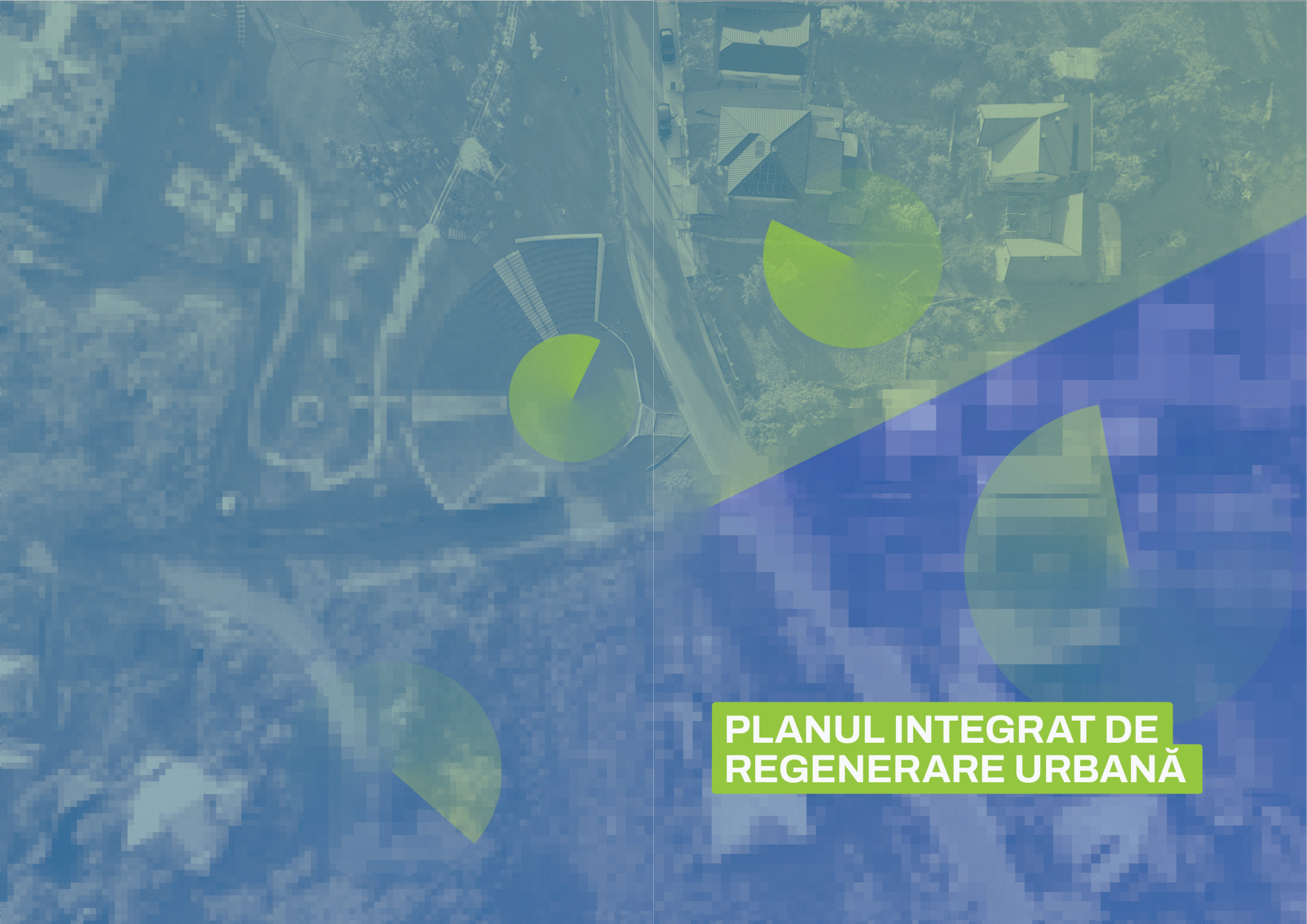
Integrated Urban Regeneration Concept for Ferentari
An integrated concept for the Soldat Tunsu Petre area in Ferentari, focused on regenerating a marginalised community through socio-urban analysis, public consultations and improvements to infrastructure and public spaces. The project proposes safer, more attractive spaces, improved accessibility, green solutions and sustainable mobility, in the spirit of the New European Bauhaus.
About the project
Context and contribution
An integrated concept for the Soldat Tunsu Petre area in Ferentari, focused on regenerating a marginalised community through socio-urban analysis, public consultations and improvements to infrastructure and public spaces. The project proposes safer, more attractive spaces, improved accessibility, green solutions and sustainable mobility, in the spirit of the New European Bauhaus.
UrbanVision contribution: Coordination; socio-anthropological research; urban and landscape design.
A coherent, implementation-oriented regeneration framework for streets, green spaces, mobility and public amenities.
- Location
- Bucharest, District 5 – Ferentari
Team
Coordination
Urbanist
Socio-anthropological research
Landscape architect
Design grafic și machetare
The Integrated Urban Regeneration Concept for the Soldat Tunsu Petre area in Ferentari, Bucharest District 5, is a long-term intervention framework for a territory marked by overlapping social, economic and environmental challenges.
The challenge
The area faced precarious housing, social exclusion, limited access to public services, deficient infrastructure, a lack of green space, insufficient lighting and difficult accessibility. Together, these conditions reinforced stigma and reduced residents’ quality of life.
Our approach
A detailed socio-urban analysis was combined with public consultations and participatory workshops to identify community needs. The evidence informed measures for regenerating the built environment and public realm in line with New European Bauhaus principles: sustainability, inclusion and spatial quality.
The outcome
The concept provides a coherent framework for future implementation. It proposes better streets, green spaces, lighting, mobility and public amenities, with the aim of improving accessibility and safety, reducing social exclusion and supporting local revitalisation.