How could a run-down neighbourhood, a former industrial site or an unused urban space be transformed? Europan România is inviting local authorities, public and private developers, and organisations involved in spatial development to propose sites for the 19th edition of the European competition for architecture, urban design and landscape architecture. The deadline for proposals is 15 December 2026. [1]
At this stage, organisations describe the site, its context and the issue they want to address. There is no need for an urban design proposal or an established competition brief. Proposals can be submitted via the online form or by email to contact@europan.ro. [1]
What sites can be proposed?
The call is looking for places with real challenges to address: abandoned buildings, former industrial sites, disused railway infrastructure, small squares, neighbourhoods or peri-urban areas. The issue identified and the potential for urban, ecological and social regeneration matter more than the land itself. Europan România reviews proposals against the theme of this edition. [1, 3]
A clear question can guide the process. How do we reconnect an industrial site to the neighbourhoods around it, reopen a riverbank to residents or turn an unused space into a meeting place? These are the kinds of challenges a city can define before settling on a solution.
The theme of Europan 19, “Re-sourcing /2 – Living Together”, continues to explore existing resources, with an emphasis on how people live together and coexist with nature and other forms of life. Its three strategic directions are Re-Nature, reconciling the city with nature, Co-Habit, sharing space across communities, uses and forms of life, and Re-Use, making new use of existing buildings, infrastructure and materials. The question they share is how cities can make the most of what they already have. [2, 4]
UZUC: the resources of an industrial site beyond its buildings
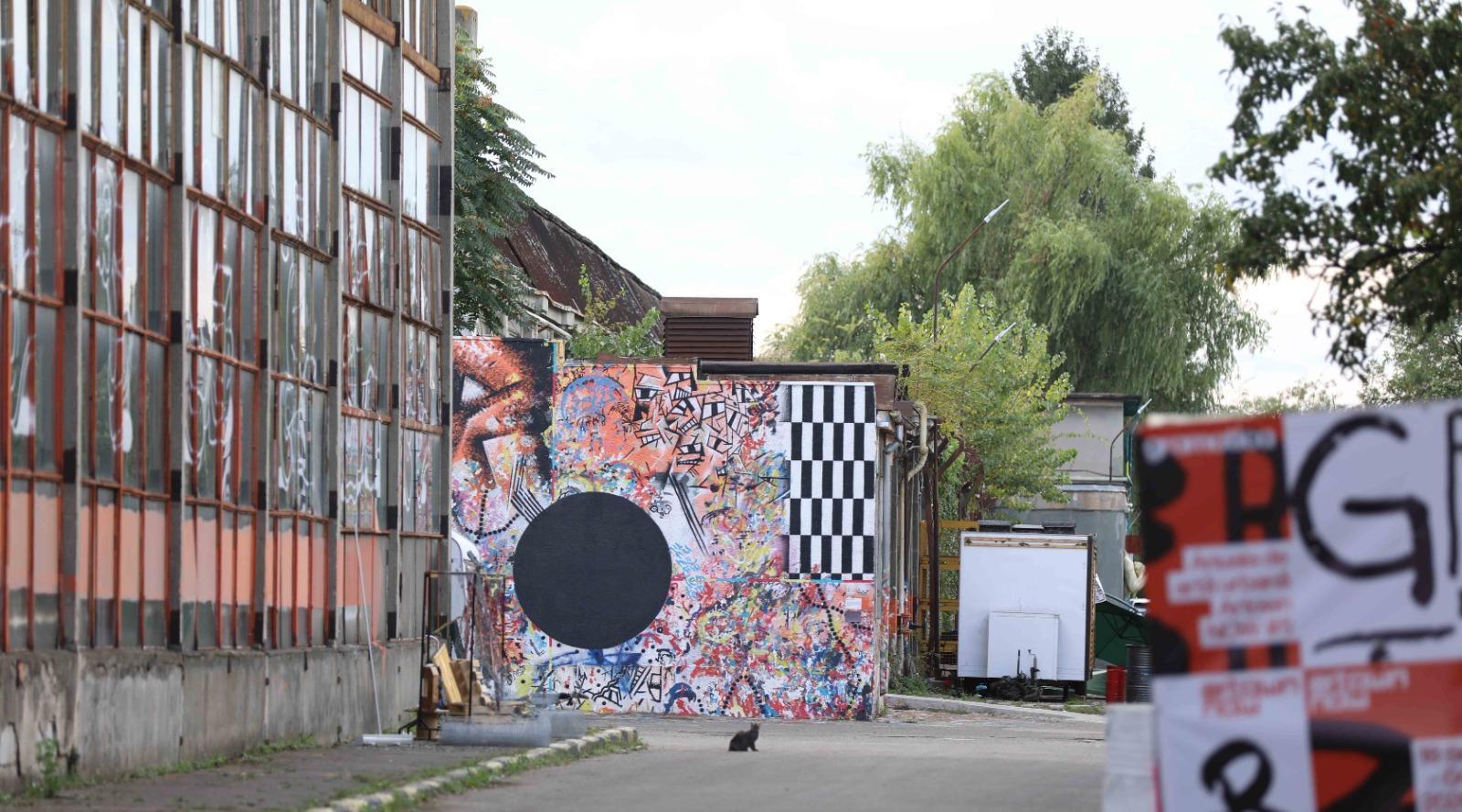
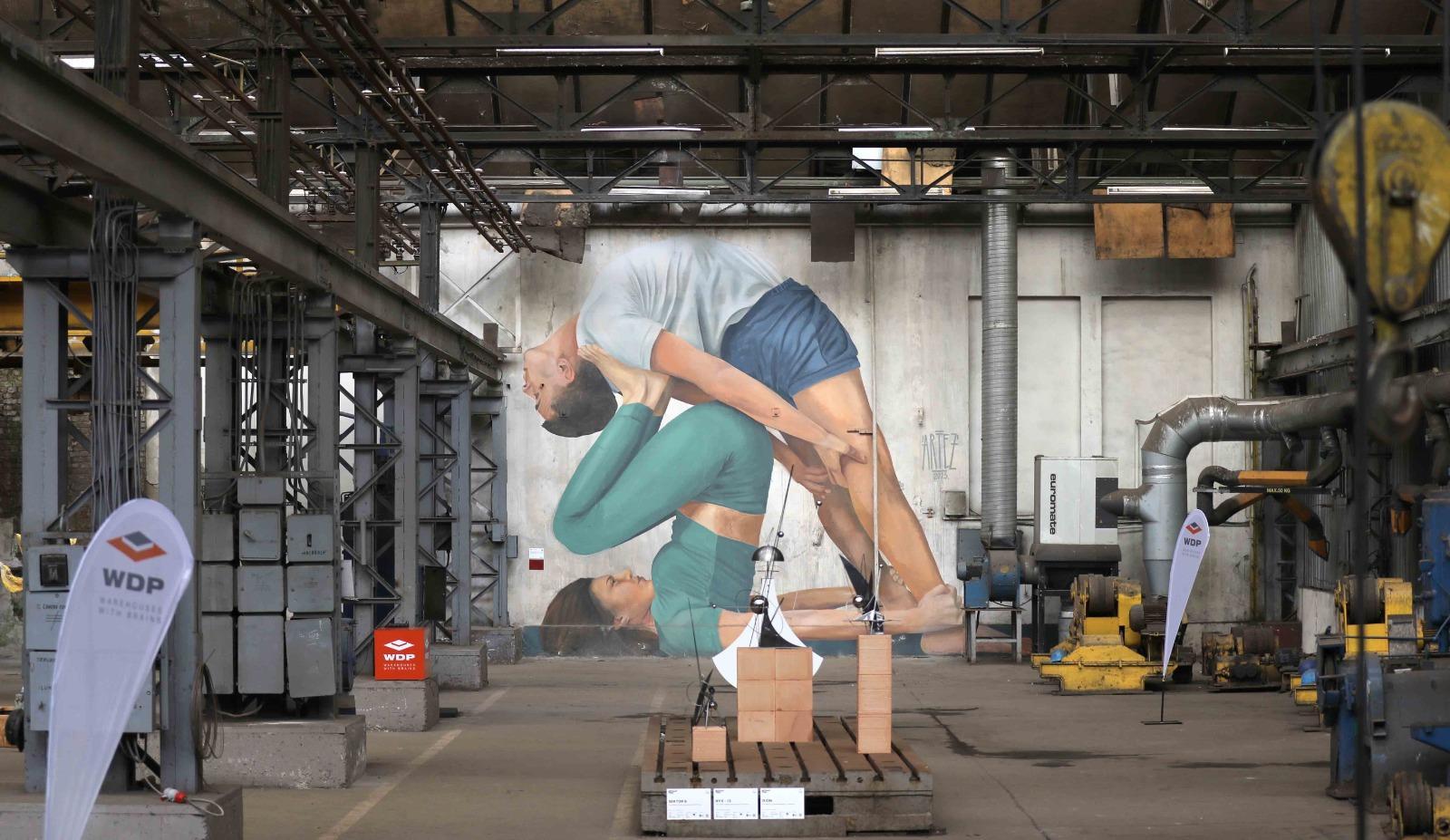
One Romanian example is the UZUC industrial site in Ploiești. In material sent to UrbanizeHub, Europan România mentions it as a possible site for Europan 19, with participation still to be confirmed. It gives a concrete sense of what the theme means. Existing halls and structures are material resources. The soil and its self-seeded vegetation are natural resources, while the industrial legacy and cultural activities such as Artown Now Festival add a social and cultural dimension. [12]
The challenge is to understand how these resources can work together. What is worth keeping? What new uses could the site support? How could it be reconnected to the city? The starting point is what already exists. Decisions about what to build come later.
For each selected site, Europan România prepares the competition documents with the local authority and participating organisations. The design brief describes the site’s spatial and social context and sets out the challenges that teams are invited to address. [1, 5]
How does the competition work?
Once sites are selected, the ideas competition opens to professionals under 40. It encourages collaboration among architects, urban planners, landscape architects and specialists in related fields. [1, 7] Under the published European calendar for Europan 19, the launch and opening of team registration are scheduled for 15 March 2027. Digital submissions are due by 23:59 Paris time on 11 July 2027, with results scheduled for 30 November 2027. [6]
Entries are assessed anonymously. The judging model described in the rules for Europan 18, the previous edition, consisted of two national jury sessions with a European discussion between them. The rules for Europan 19 determine the exact conditions for participation and assessment in this edition. [7]
- National shortlisting: an independent jury with no links to the proposed sites selects the entries that proceed to the next stage.
- European discussion: at the Forum of Cities and Juries, site representatives and jury members discuss the shortlisted entries and the comparative European analysis. The forum does not determine the final rankings.
- Final decision: national juries reconvene to select the winning entries and special mentions. [7]
Local challenges are part of a European discussion
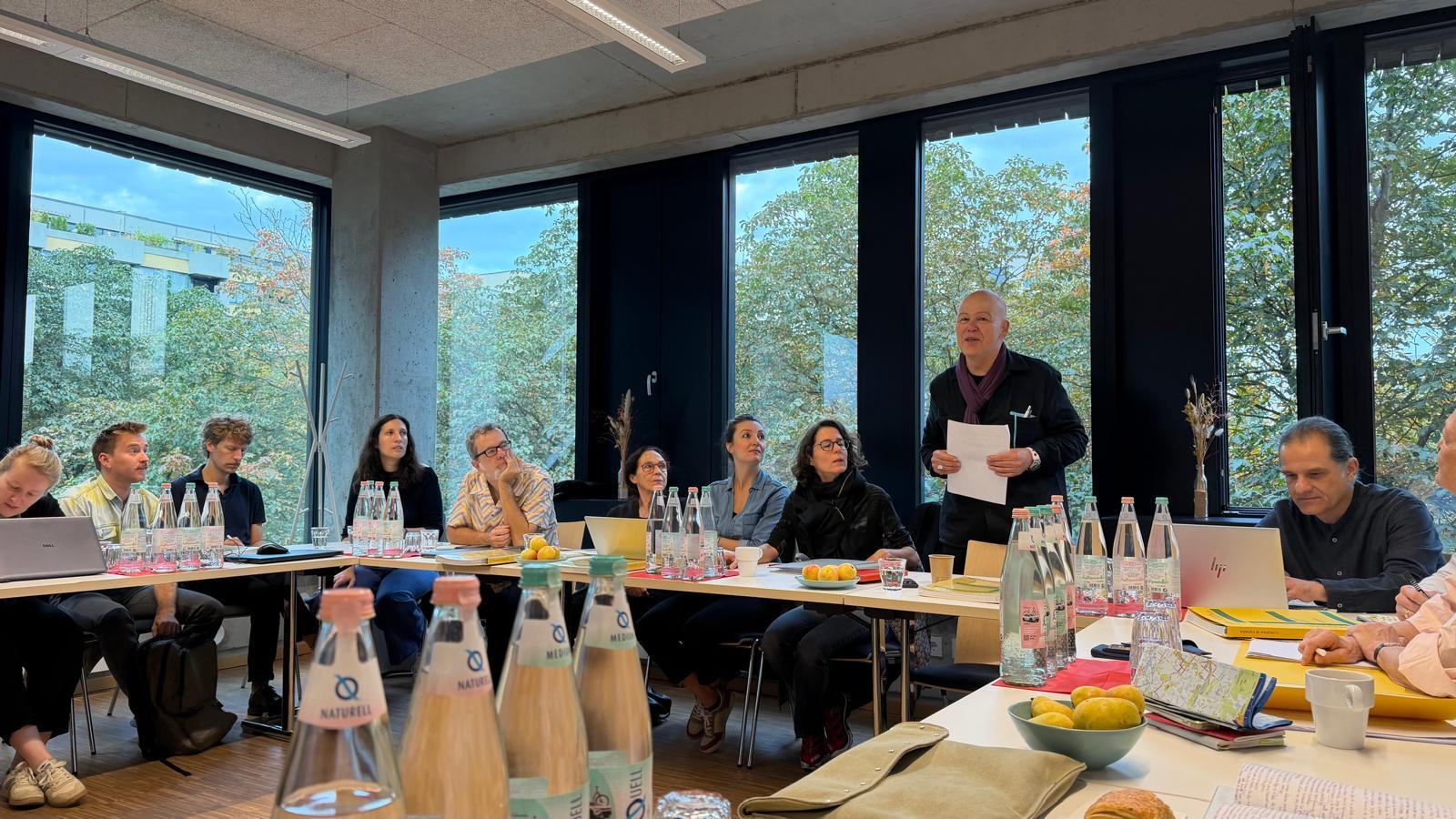
According to Europan România’s notes on the national secretariats’ meeting in Berlin in October 2026, early site proposals were discussed around shared concerns: housing and proximity, care for vulnerable communities and ecosystems, and the transformation of structures that had lost their original purpose. These were working themes. The list of sites and conditions for participation had yet to be finalised. [11]
For Romanian cities, the exchange makes it possible to compare similar problems without imposing the same solution everywhere. Each site needs to be understood in relation to its residents, surrounding neighbourhoods and ecological networks as well as the boundaries of the area to be redesigned.
After results are announced, local authorities and other partners can continue working with award-winning teams to explore developing their ideas through studies, urban strategies or further stages of design. [1]
An award for an idea does not secure funding or allow work to start straight away. To move towards implementation, the partners need to agree on responsibilities, resources, design stages and procurement.
What can Romanian cities gain?
Europan can give local authorities access to different perspectives on the same problem, international expertise and a European network of cities and practitioners. Proposals can help define a direction for development and inform local strategies. Attracting investors and delivering a project depend on what happens after the competition. [1, 3]
Europan România’s presentation also stresses the link between strategic thinking and practical interventions. While a small site can generate ideas for urban design and use of space, a neighbourhood or urban corridor may need an overarching vision and a phased plan. The results can inform future design briefs, studies or urban planning documents. They leave detailed construction design, approvals, permits and applicable procurement procedures to the relevant later stages. [10]
What happens after the competition depends on local conditions and collaboration between teams and site partners. In Selb, Germany, discussions after Europan 9 shifted the focus of the winning project, “Catalogue for Dwelling on the Time”, from services for older people to attracting and retaining younger generations. The process led to a hostel and a youth club, among other outcomes. [8]
In Barcelona, the “In Motion” proposal, awarded a prize at Europan 13, led to “Barcelona Elàstic”, a research project on how the city can adapt to changing needs. [9] According to Europan Europe, procurement rules prevented the local authority from awarding the team the original commission. Barcelona Regional later commissioned the research. The case shows how a study can build on a competition entry independently of whether the original scheme is built.
The two examples illustrate different paths for winning ideas. Some are developed through to construction. Others become studies or strategies for wider change. Adapting to local needs and keeping collaboration going matter beyond the end of the competition.
How to propose a site and what participation costs
Local authorities and other interested organisations can submit a description of the site, its surroundings and the issue they have identified via the site proposal form or by emailing contact@europan.ro, by 15 December 2026. [1]
According to Europan România’s press release, entering a site requires a financial contribution towards European logistics, international judging and the prize fund. The presentation shared with UrbanizeHub gives a standard minimum budget of €50,000 per site for participation and running the competition over two years: €18,000 for the prize fund and €32,000 for organisation and administration. The prize fund is split between the winner (€12,000) and the runner-up (€6,000). [10]
The amount covers the competition. Further design and construction on the site require separate budgets. Confirm the terms of participation and payment with Europan România at contact@europan.ro.
Before committing, interested organisations can ask in writing what the contribution covers, when payment is due, and who will be responsible for preparing the documents and carrying the process forward after the competition.
For a city, the first step is to choose an issue worth exploring and a site where change can make a difference to residents. The competition can start a conversation about the future of that place. Changing it depends on the decisions and collaboration that follow.
Sources
- Europan România: Press release announcing the call for sites
- Europan Europe: Europan 19 theme
- Europan România: Information on proposing a site
- Europan România: Europan 19 competition theme
- Europan România: How the programme works
- Europan Europe: Europan 19 calendar
- Europan Europe: Europan 18 rules, reference for the previous edition’s procedure
- Europan Europe: Selb, Catalogue for Dwelling on the Time
- Europan Europe: Barcelona, Europan 13 project follow-up
- Europan România: Institutional presentation “Europan Romania – v3.0 – Minister”, sections on deliverables and budget, supplied to UrbanizeHub.
- Europan România: “Întâlnirea de la Berlin”, notes on the national secretariats’ meeting in October 2026, supplied to UrbanizeHub.
- Europan România: “Subiecte Articole” and the “Imagini UZUC” archive, information on the potential site and photographs supplied to UrbanizeHub.