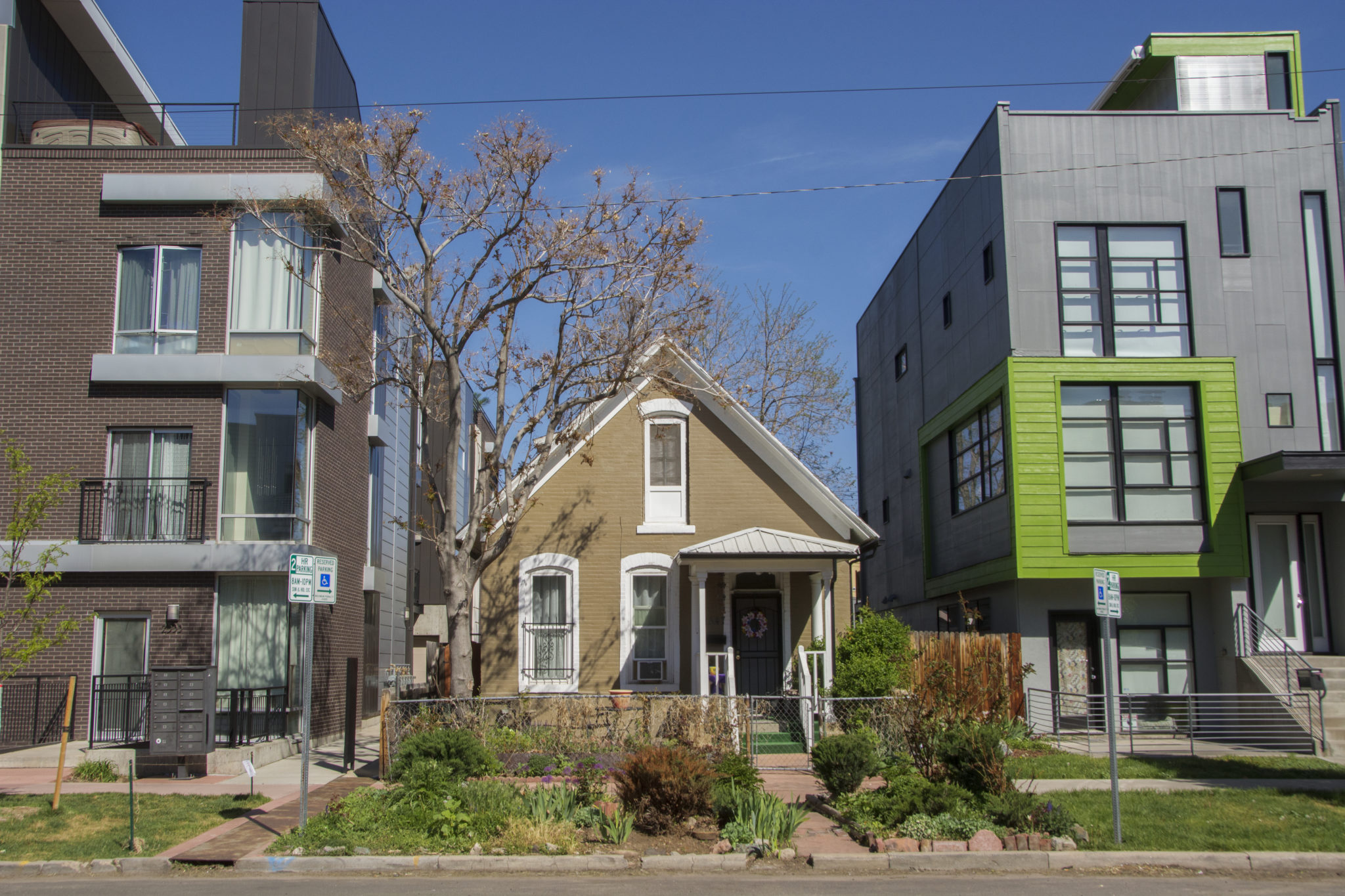
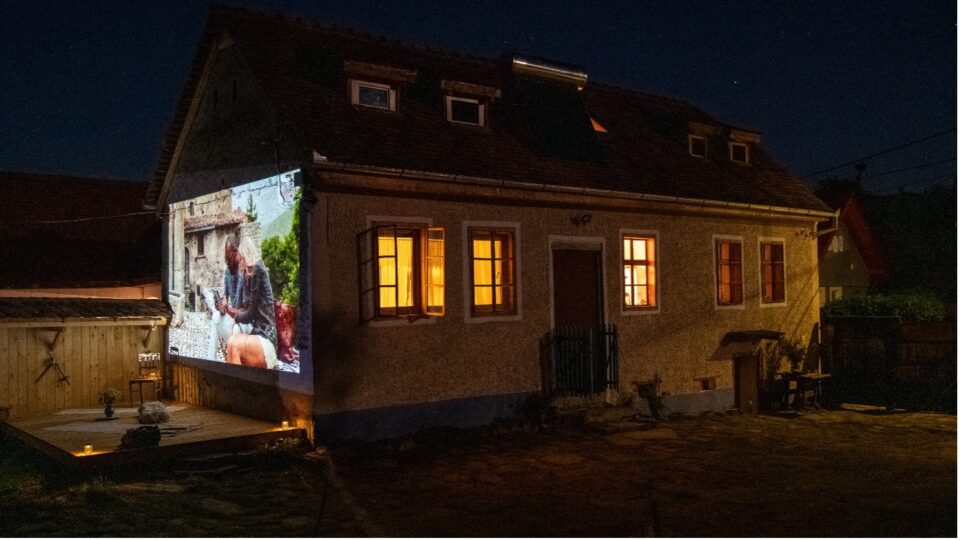
A speciality coffee shop opens next to a neighbourhood store. A building is renovated, and a former industrial site catches the eye of investors. For some people, these changes bring better services and a more pleasant place to live. For others, they raise a question: will they still be able to afford to stay? The debate about gentrification lies between these experiences.
What is gentrification?
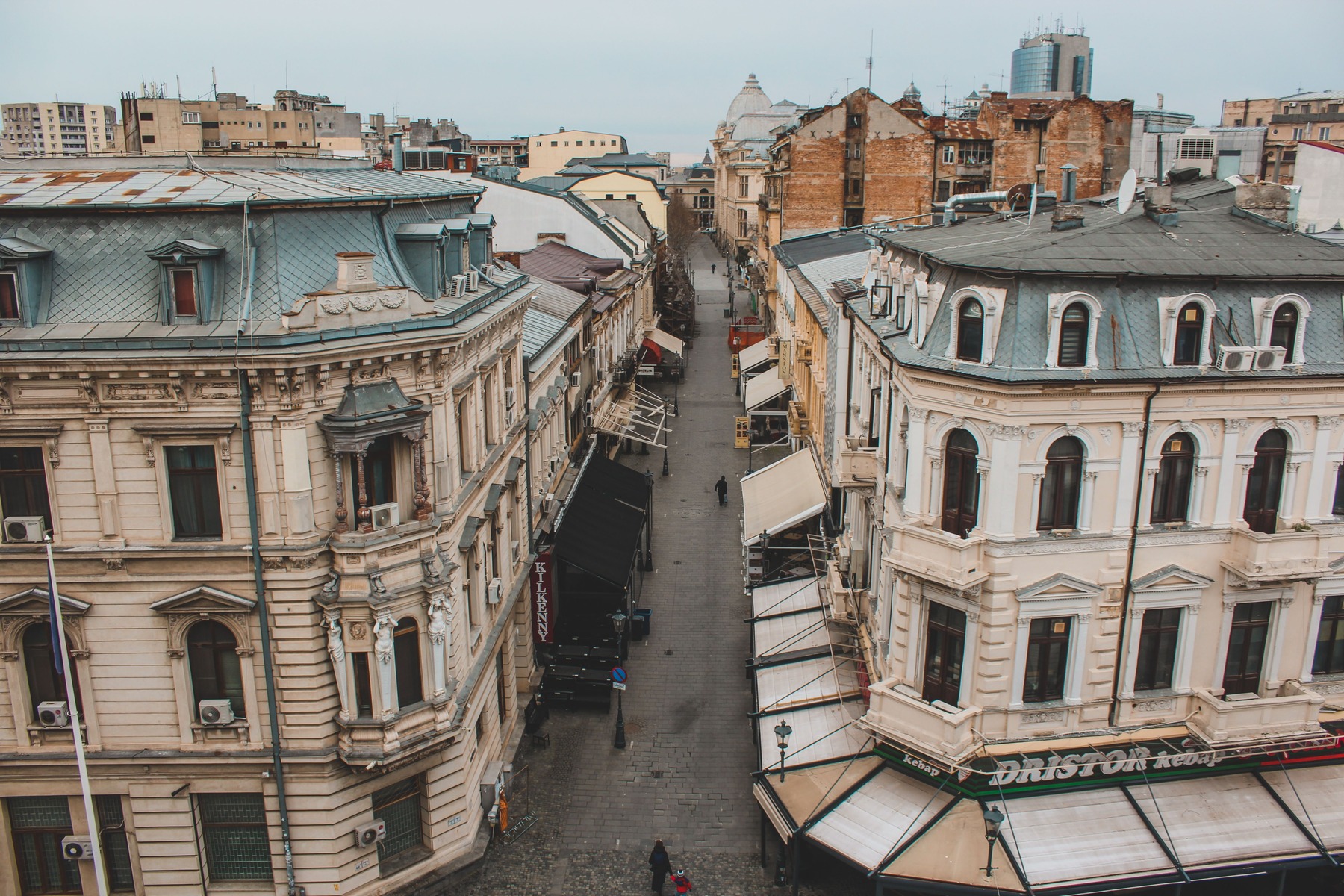
The sociologist Ruth Glass introduced the term in 1964 in her analysis of changes in London neighbourhoods. In its classic sense, it describes investment and social change that make a lower-income area attractive to wealthier groups, bringing a risk of displacement for vulnerable residents. Dana Cornelia Nițulescu’s study explains these dimensions and how they play out in the Romanian context. [1]
A renovated façade or a new business alone is insufficient evidence of gentrification. Changes in costs, access to housing, shifts in local commerce and the ability of existing residents to stay all matter. Pressure can take the form of unwanted moves or make it impossible for households with similar incomes to settle in the neighbourhood.

Home ownership does not remove vulnerability in Romania
A simple distinction between a wealthy West and an East with little capital cannot explain post-socialist urban change. Research discussed by Nițulescu shows how property restitution, housing privatisation and access to home ownership shaped urban change in Romania. This historical explanation applies differently across present-day neighbourhoods. [1]
According to Eurostat, about 94% of Romania’s population lived in households that owned their home in 2024. The figure refers to people living in owner-occupied households and does not count individual owners. It provides no separate breakdown for Bucharest or Obor. [2]
High rates of home ownership are compatible with displacement. Renters and young people looking for their first home can face rising costs. Homeowners on low incomes may struggle to pay for maintenance and repairs. These pressures need to be studied locally. The national average cannot tell us how they play out in a particular place.
Obor between diversification and pressure to change
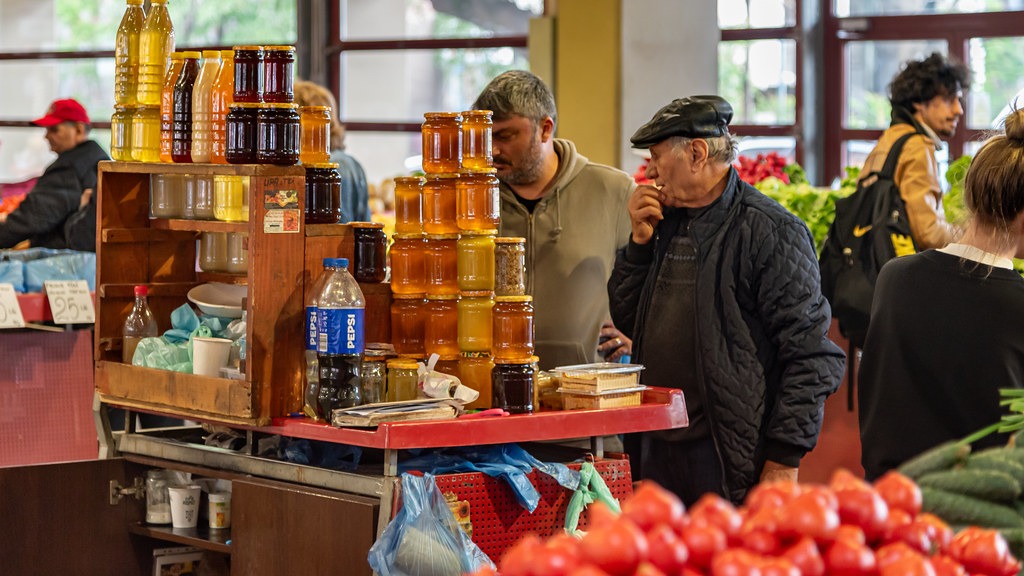
Obor Market is a good place to explore this question because several forms of commerce and urban life coexist there. A HotNews report published in September 2026 documents new cafés and food offerings alongside traditional traders. The architect Anca Dumitrache discusses the risk that some businesses may increasingly cater to higher-income customers, while the historian Adrian Majuru points to the mixing of generations and the growing variety of what people buy. Both interpretations of the changes are worth reading together. [3]
For the neighbourhood, the question is what happens to access. Can residents still find essentials at prices they can afford? Can small traders keep their premises? Are there still places to meet where people do not have to buy anything? A new offering can complement the existing market. The risk arises when it displaces existing businesses and narrows the choices of people who depend on them.
Without data over time on rents, incomes, changes in who lives in the neighbourhood and commercial premises, it is impossible to establish the extent of any gentrification in Obor. We can identify signs and formulate research questions. The look of a street alone cannot answer them.
Who benefits from urban regeneration?
Investment in buildings, pavements, green spaces and services is necessary. The benefits depend partly on how they are distributed. An improvement can make life better for residents while also making the area more attractive to property buyers and investors. That is how regeneration and gentrification pressure can overlap.
An inclusive approach looks at who uses a place, who needs support and how costs are changing from the outset. Consultation becomes useful when it informs decisions, budgets and how a place is managed. A questionnaire offers no guarantee of that unless the project shows how the feedback was used.
What local authorities can do
The first step is to monitor change. Rents and asking prices need to be tracked over time alongside incomes, housing circumstances and business activity. Interviews with residents and traders can complement administrative data. The aim is to identify pressure before moving becomes the only option.
The second step is to connect investment with affordability and access. Public and affordable housing, support for vulnerable households and places to meet without spending money can all be part of the response. At markets and other publicly managed spaces, terms of use and dialogue with small traders belong in the same discussion.
European experience offers examples whose suitability depends on local circumstances. In 2019, Paris reintroduced private rent controls based on different reference ceilings. The mechanism forms part of a wider housing policy, with its own rules and limits. [4]
In October 2024, the City of Milan announced a plan for 10,000 affordable homes over ten years in the city and its metropolitan area. The number is the programme’s target. It shows why urban investment and explicit housing policy deserve to be considered together. [5]
Using similar tools in Romania means looking at legal powers, funding and local effects. Community participation, housing policy and management of public space need to shape how a project is planned from the start.
A better neighbourhood for the people who live there
Counting coffee shops will not settle the debate over gentrification, and neither will setting investment against local identity. What matters is whether neighbourhoods can welcome new things and new people while making room for existing communities. For Obor and other parts of Bucharest, the question is concrete: who benefits from the improvements, and who can still afford to stay?
Sources
[2] Eurostat, Housing in Europe, 2025 edition, 2024 data
[3] Ștefania Gheorghe, HotNews, Oborul, între mici și cafea de specialitate, 5 September 2026
[4] Ville de Paris, Encadrement des loyers, tout comprendre sur le dispositif, updated 17 June 2026